
Written and reviewed by: Serene Island Escape Editorial Team
Research checked: 13 September 2026
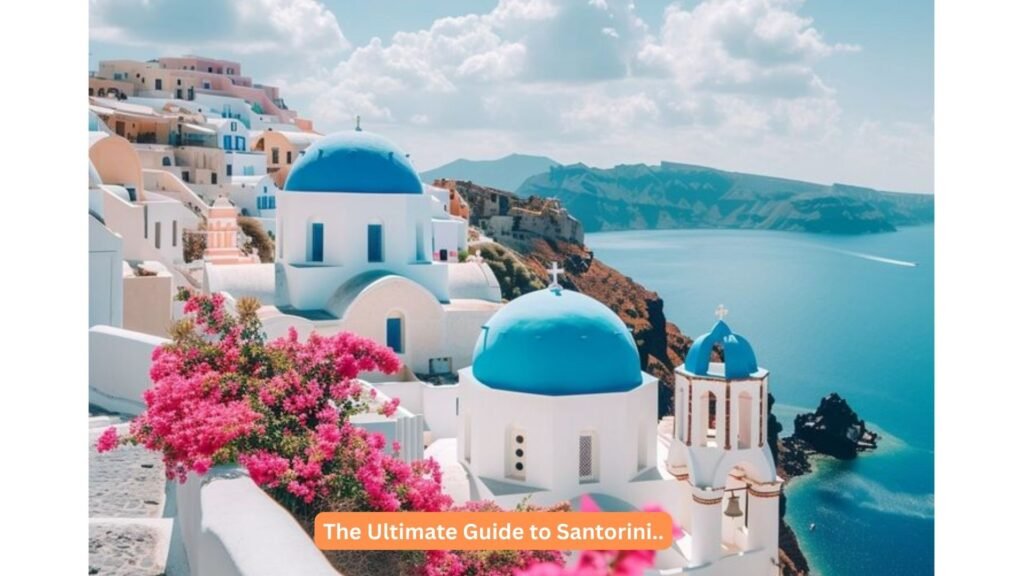
Santorini is one of the Cyclades’ most distinctive islands: a volcanic landscape shaped by a caldera, villages built along steep cliffs, beaches formed from dark volcanic rock, and a food culture built around crops that tolerate a dry island climate. The famous white buildings and sunset photographs are part of the story, but they are not the whole reason to visit.
This guide is designed to help you make practical decisions rather than repeat postcard descriptions. It explains what to see, where different areas suit different travelers, how to plan around heat and crowds, what to eat, and which details should be checked with official sources before you travel. Santorini’s schedules, entry rules, prices, and business opening hours change, so treat this article as a planning framework rather than a substitute for current local information.
At a glance: is Santorini right for your trip?
- Choose Santorini for: caldera scenery, volcanic geology, archaeological history, villages, wine and local food, sailing, photography, and short breaks with a strong sense of place.
- Plan carefully if you need: flat walking routes, quiet beaches close to a caldera hotel, low prices in peak summer, or a destination with little traffic and no stairs.
- Best planning principle: choose your base according to your priorities. Caldera villages are convenient for views, while beach and inland areas can offer a different atmosphere and, in some cases, easier access.
- Before booking: check the official opening information for archaeological sites, confirm ferry or flight schedules with the operator, and ask accommodation providers about stairs, transfers, accessibility, and luggage handling.
What makes Santorini different?
Santorini, also called Thera, lies at the southern end of the Cyclades. The island group associated with Santorini includes Thera, Thirasia, Aspronisi, Palea Kameni, and Nea Kameni. Its caldera and cliff settlements are the result of a long volcanic history, not a single decorative backdrop. The official Greek tourism authority describes the island as an arid place with fertile soils that support vines, yellow split peas, and tomatoes, while its beaches vary in colour because of its geological origins. Visit Greece’s Santorini guide provides an official overview. [1]
The practical consequence is that Santorini is a destination of contrasts. A short distance can separate a crowded caldera viewpoint from a quieter village. A luxury property may be reached by many steps, while a beach area may be easier to navigate but farther from the classic cliff views. A good itinerary leaves room for both the headline sights and the less dramatic experiences that make the island easier to understand.
When is the best time to visit Santorini?
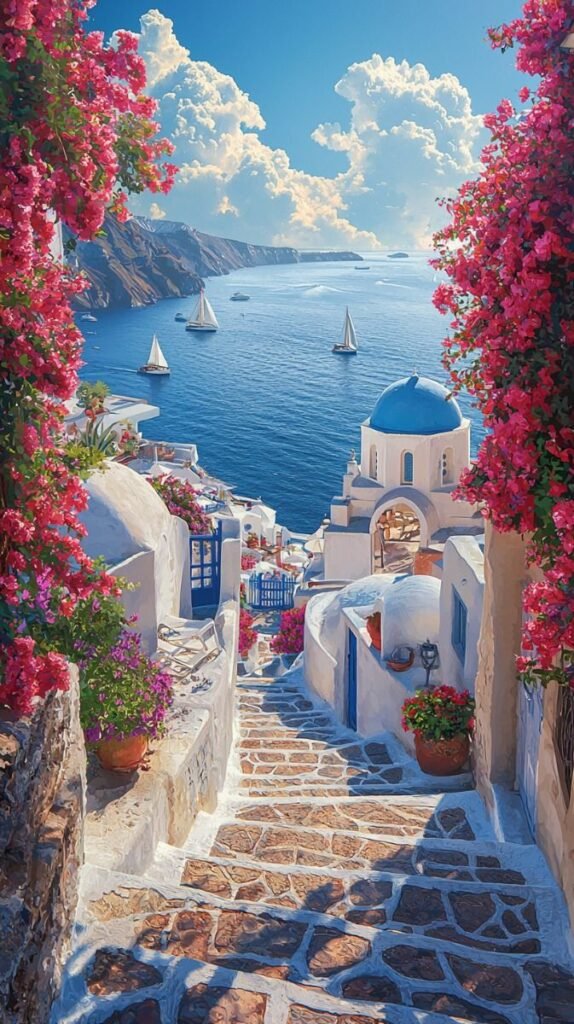
There is no single best month for every traveler. Your decision should balance weather, swimming, opening hours, prices, transport frequency, and crowd levels. July and August are usually the most intense period for heat and visitor demand. Spring and autumn can be more comfortable for walking, but conditions and business schedules vary by year. Winter is quieter, yet some tourism services operate on a reduced schedule.
| Travel period | What it can offer | What to plan for |
|---|---|---|
| Spring | Comfortable walking conditions on many days, greener landscapes, and a slower atmosphere than high summer. | Sea temperatures may feel cool, and ferry, tour, and restaurant schedules can be seasonal. |
| Early summer | Long days, a broad choice of tours and restaurants, and strong conditions for combining villages with boat trips. | Demand rises quickly. Reserve accommodation and popular experiences early. |
| July and August | Warm weather, a lively atmosphere, and the widest range of summer services. | Heat, high demand, limited parking, and crowding at famous viewpoints. Schedule walks early or late. |
| September and early autumn | Often a useful balance between warm sea conditions and less intense demand than the core summer period. | Confirm dates rather than assuming every service remains open. Weather and sea conditions can change. |
| Late autumn and winter | A quieter look at local life and better conditions for travelers who prefer low visitor density. | Some hotels, restaurants, tours, and connections may close or operate less frequently. |
Greek Orthodox Easter can be culturally interesting, but the dates change each year and local opening times should be checked. Avoid writing “guaranteed sunshine” in a travel guide; even a dry Mediterranean destination has variable weather, wind, and sea conditions.
The best places to visit in Santorini
Oia
Oia is the island’s best-known village for caldera views, whitewashed architecture, blue-domed churches, galleries, and sunset demand. It is beautiful, but it is also one of the places where narrow lanes, stairs, queues, and limited space become most noticeable. Arrive earlier than sunset if you want to explore rather than stand in one crowded viewing area. Respect private homes, hotel entrances, barriers, and residents’ access.
Fira
Fira is Santorini’s capital and a practical base for travelers who want restaurants, shops, museums, caldera walks, and transport connections. Its position on the cliff gives it the classic view, while its central location can make it easier to combine different parts of the island. The cable car and old-port routes may be busy, and travelers should check current operating information instead of relying on an old timetable.
Akrotiri archaeological site
Akrotiri is an important prehistoric settlement of the Aegean. The Greek Ministry of Culture describes a developed settlement with multi-storey buildings, drainage infrastructure, wall paintings, and long-distance connections before the town was abandoned and covered by volcanic material in the Late Bronze Age. Read the official Ministry of Culture history of Akrotiri. [2]
Do not present Akrotiri simply as “Pompeii in Greece” and stop there. The comparison may help a first-time reader, but the site deserves its own history. Check the official cultural ticketing and opening information before going, especially outside the main season. The Hellenic Organization of Cultural Resources Development ticket platform lists official museums and archaeological sites and provides current booking information where available. [3]
Fira–Oia caldera walk
The trail between Fira and Oia is a scenic, demanding walk rather than a casual promenade. Distance and difficulty depend on the route and starting point, and the surface includes uneven ground, steps, and exposed sections. Wear shoes with grip, carry water, start early in hot weather, and do not treat a generic distance estimate as a guarantee of walking time. Check local conditions and avoid the route during extreme heat or unsafe weather.
Perissa, Perivolos, and Kamari
These beach areas provide a different experience from the caldera villages. Their dark volcanic shores, swimming areas, tavernas, and seasonal services can suit travelers who want more time by the sea. Check the day’s wind and sea conditions, follow local beach safety advice, and do not assume every beach has the same access, shade, lifeguard provision, or facilities.
Pyrgos and Megalochori
Pyrgos and Megalochori offer village lanes, traditional architecture, churches, wine-related experiences, and a slower rhythm away from the most concentrated caldera viewpoints. They are useful additions for travelers who want to see more than the Oia–Fira corridor. Visit respectfully: local villages are lived-in communities, not open-air sets.
Experiences worth planning
Take a caldera boat trip
Boat tours can reveal the volcanic cliffs from sea level and may include stops around volcanic islands or hot springs. Routes, swimming stops, vessel types, departure times, cancellation rules, and accessibility vary by operator. Read the exact itinerary and cancellation policy before paying. Bring sun protection and motion-sickness medication only if it is safe for you and recommended by a qualified professional.
Visit a winery or taste local wines
Santorini’s dry conditions and strong winds have shaped distinctive vine-growing practices. Assyrtiko is one of the island’s best-known varieties, and Vinsanto is associated with sweet wine made from sun-dried grapes. A responsible tasting itinerary should include transport planning, modest portions, and a designated driver or transfer. Confirm whether a winery accepts walk-ins and whether the experience is accessible.
Explore the island beyond the sunset photograph
Sunset is one event, not a complete itinerary. Add a morning village walk, a museum or archaeological visit, a meal based on local produce, and time at a beach or inland settlement. This spreads your spending and attention across the island and reduces the pressure to judge the entire trip by one crowded viewpoint.
Where to stay in Santorini
| Area type | Often suits | Check before booking |
|---|---|---|
| Oia | Travelers prioritising iconic caldera scenery, boutique accommodation, and sunset access. | Premium pricing, stairs, crowds, luggage transfers, and distance from other areas. |
| Fira | Visitors who want a central base with restaurants, shops, museums, and transport options. | Noise, cliff paths, steps, and the exact distance from the property to roads or parking. |
| Imerovigli | Travelers seeking caldera views in a quieter setting than the busiest parts of Oia or Fira. | Stairs, limited nearby services, and transfer arrangements. |
| Kamari or Perissa | Beach-focused trips, families who prefer flatter areas, and travelers comparing value. | Travel time to caldera villages, seasonal facilities, and the beach’s current access conditions. |
| Pyrgos or Megalochori | Visitors who prefer village atmosphere, wine experiences, and a less concentrated base. | Transport needs, evening taxi availability, and walking surfaces. |
Do not describe caldera hotels as automatically accessible. Many cliffside properties involve stairs, uneven paths, or luggage transfers. Ask for a step-free route, room access details, transfer procedure, and realistic photos before booking if mobility matters to you.
What to eat and drink?
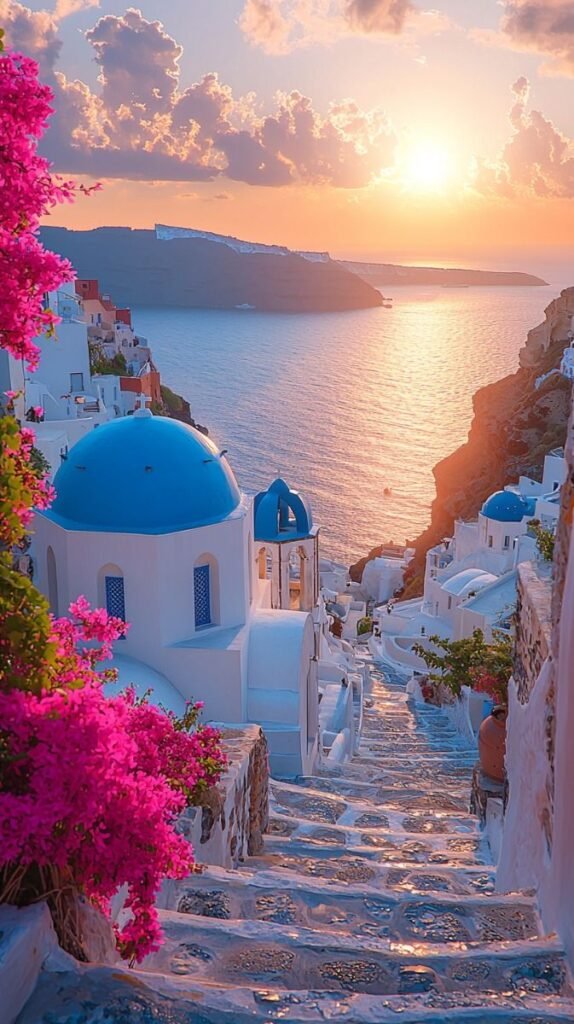
Santorini’s cuisine reflects its climate and agricultural traditions. Look for dishes made with local tomatoes, yellow split peas, white aubergines, capers, herbs, and seafood. Popular items include tomatokeftedes (tomato fritters), fava made from yellow split peas, and local wines such as Assyrtiko. Recipes and quality vary by restaurant, so treat a food list as a starting point rather than a promise that every venue serves the same dish.
- Tomatokeftedes: ask how the restaurant prepares them and whether the recipe includes ingredients relevant to your allergies.
- Fava: a simple dish that can be served with olive oil, onions, capers, or other toppings.
- Seafood: choose reputable restaurants and ask what is locally available that day. Do not assume a menu label proves local origin.
- Wine: ask about the producer, tasting format, transport, and responsible-drinking options.
- Melitinia and other sweets: regional desserts can be worth seeking out, but availability may be seasonal or limited.
more island food and cuisine guides
Practical Santorini travel tips
Transport and arrival
Santorini can be reached by air or sea, but the best route depends on your starting point and travel date. Visit Greece lists Athens–Santorini flights at about 50 minutes as a typical travel reference, but schedules and operating airlines change. Check the official destination information, then confirm the exact booking with the airline or ferry operator. [1]
For ferries, confirm the departure port, arrival port, check-in time, baggage rules, and cancellation policy. On the island, compare local buses, taxis, transfers, and car rental according to your route. A rental car can help with dispersed villages, but narrow roads, parking demand, and driving confidence matter. A scooter is not a universal solution: check licensing, helmet, insurance, road conditions, and your own experience before choosing one.
Heat, walking, and water
Caldera paths can be exposed, and many villages contain stairs or uneven paving. Carry water, wear secure footwear, use sun protection, and plan demanding walks outside the hottest part of the day. Travelers with health conditions should plan conservatively and seek personal medical advice when needed.
Crowds and respectful photography
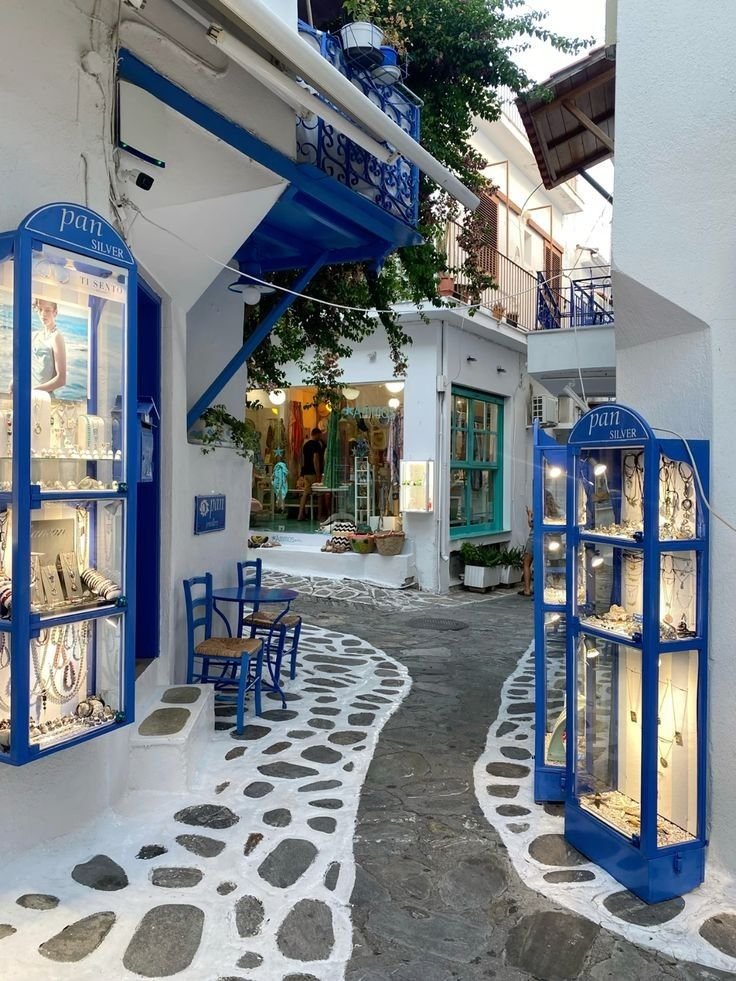
Famous sunset locations and cruise-ship arrival periods can become congested. Travel outside the busiest times where possible, but avoid presenting crowd avoidance as a guaranteed result of a particular day. Do not block lanes, enter private property, fly drones where prohibited, or photograph residents and workers without permission.
Booking and money
Reserve accommodation and high-demand experiences early for peak periods, but read cancellation terms before paying. Compare the complete price, including taxes, transfers, meals, and equipment. If a page recommends a booking service or earns commission, disclose that relationship next to the recommendation rather than presenting a commercial link as neutral editorial advice.
How long should you stay?
Two nights can cover a short caldera-focused visit, but it leaves little flexibility for weather, transport delays, or a missed activity. Three to five nights generally gives a first-time visitor more room to combine Oia or Fira with Akrotiri, a beach, a village, food, and one sea or wine experience. Longer stays work well for a slower itinerary or for combining Santorini with another island, but ferry connections should be checked for the actual dates.
| Trip length | A realistic focus |
|---|---|
| 2 nights | One caldera village, one sunset plan, one cultural or food experience, and a flexible arrival/departure day. |
| 3–5 nights | Caldera villages, Akrotiri or a museum, a beach or inland village, and one boat or wine experience. |
| 6 nights or more | A slower pace, more than one base area if useful, weather flexibility, and time for lesser-visited villages. |
See as well : How long should you stay?
Final take
Santorini is most rewarding when you plan for the island that exists beyond the famous image. The caldera, Oia, Fira, Akrotiri, volcanic beaches, villages, food, and wine each tell a different part of its story. Build your trip around your priorities, allow for heat and crowds, and verify every time-sensitive detail with official authorities and operators. That approach creates a more useful and respectful visit than chasing a single photograph or relying on a generic promise of a perfect holiday.
Sources and travel-information check
This article uses the following public sources for background and verification pathways. Opening hours, tickets, schedules, prices, weather, and local rules should be checked again for the reader’s dates.
- Visit Greece: Santorini (Thera) — official Greek National Tourism Organisation destination information.
- Greek Ministry of Culture: Akrotiri of Thera — official historical description of the archaeological settlement.
- Hellenic Organization of Cultural Resources Development ticket platform — official ticketing pathway for participating Greek museums, monuments, and archaeological sites.
- Google Search Central: Creating helpful, reliable, people-first content — guidance used for original value, authorship, trust, and reader-first structure.
- Google Search Central: Spam policies for Google Web Search — guidance used to avoid doorway, scaled low-value, and search-engine-first content.
Editorial reminder: Add a named author with a genuine profile, document any first-hand experience accurately, and update this guide only when the underlying information has been materially reviewed. Do not change the date merely to make the article appear fresh.